Choose St. Petersburg top Sliding Doors Services for Professional Door Care
Choose St. Petersburg top Sliding Doors Services for Professional Door Care
Blog Article
Sliding Doors Services for Effortless Access and Style
Sliding doors remain widely preferred in modern homes due to their blend of functionality and artistic value. They enable easy access between indoor and outdoor zones while maximizing sunshine. Since various designs and substances are available, homeowners can find possibilities that align with their design preferences. Nevertheless, it's critical to weigh installation methods and maintenance practices to secure longevity. Recognizing these aspects can markedly enhance a home's general feel and safety measures. What aspects should one prioritize when selecting sliding doors?
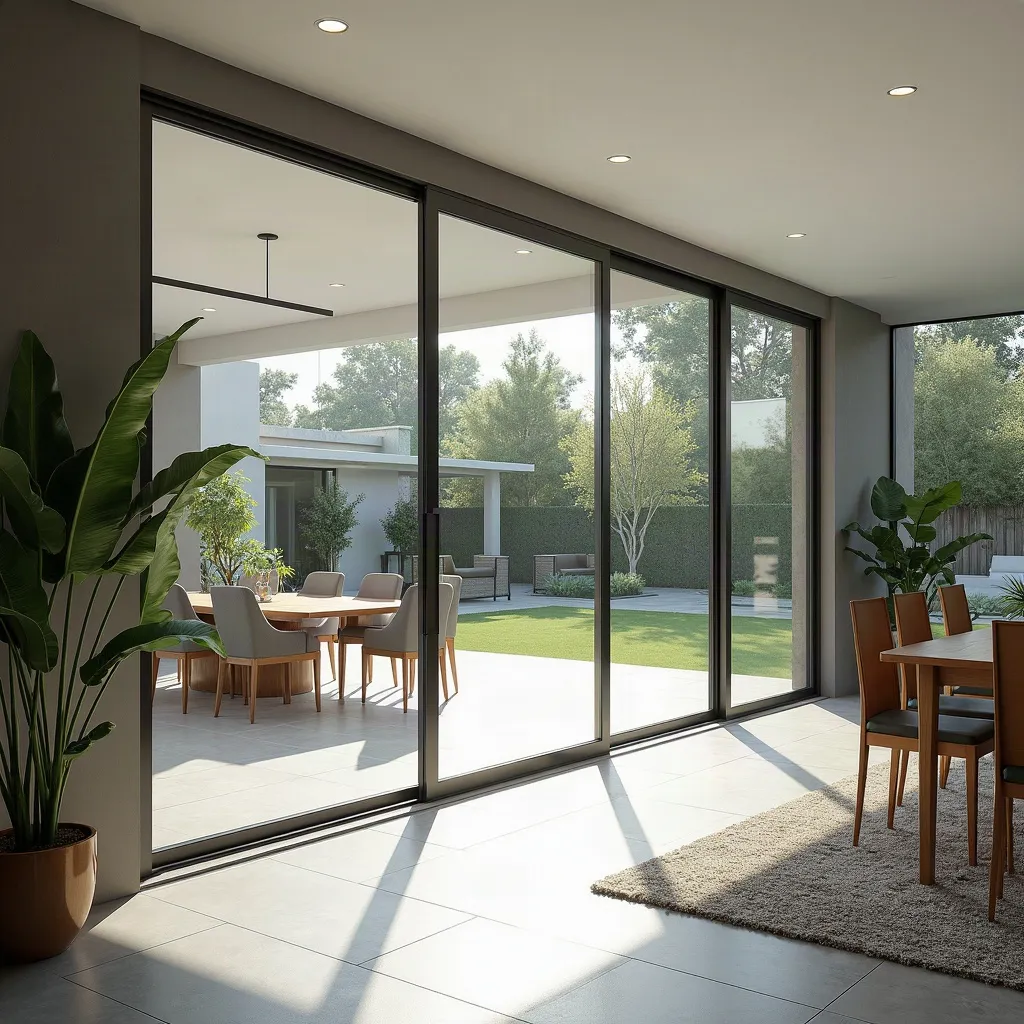
The Positive Aspects of Sliding Doors for Modern Homes
Sliding doors have progressively grown into a beloved option for modern homes, as they flawlessly unite indoor and outdoor spaces. Their design boosts natural light, establishing an airy, open feel that can make even smaller rooms feel more roomy. Additionally, the ease of use allows for convenient entry to patios, gardens, or balconies, promoting a more holistic way of living.
Energy efficiency is another notable benefit; many sliding doors come outfitted with double or triple glazing, supporting temperature control and reduce energy costs. The low-maintenance nature of sliding doors additionally appeals to homeowners, as they require minimal upkeep compared to traditional copyrightd doors.
Additionally, their modern style variations can complement various architectural styles, offering both aesthetic appeal and functionality. Overall, sliding doors deliver a practical solution for enhancing living spaces while bringing to a contemporary home environment.
Different Types of Sliding Doors to Consider
When considering the perfect sliding door for a home, it is crucial to explore the various styles offered, each providing distinct features and aesthetics. Classic sliding doors generally feature two panels that glide along a track, providing a traditional look appropriate for many homes. On the other hand, contemporary styles often incorporate larger glass panels, enhancing natural light and forming a seamless shift between indoor and outdoor spaces. Bi-fold sliding doors are increasingly favored, allowing for expansive openings that can transform a room when fully opened. For a more contemporary touch, pocket sliding doors slide into the wall, conserving space and providing a minimalist appearance. Finally, barn-style sliding doors, with their rustic charm, add character to any interior, appealing to those desiring a blend of style and function. Each style offers distinct advantages, rendering it vital for homeowners to evaluate their specific needs and design preferences.
Selecting Gliding Door Materials
Selecting the right components for sliding doors is essential for both performance and visual appeal. Various materials offer unique advantages, influencing durability, maintenance, and visual appeal.
Wood, for instance, delivers warmth and a classic look, but requires consistent maintenance to avoid warping and weather damage. Metal, especially aluminum, is recognized for its strength and low maintenance, making it suitable for modern aesthetics. Glass is yet another favored option, permitting unobstructed views and natural light; however, it necessitates thoughtful evaluation regarding insulation and safety.
Composite materials combine the advantages of wood and synthetic substances, providing improved durability without compromising appearance. In the end, the selection of material should express the homeowner's design preferences and practical needs, ensuring that the sliding doors not only enhance the space but also endure the test of time. Emphasizing quality in material choice is essential for achieving durable and aesthetically pleasing sliding door solutions.
How Glass Doors Improve Daylight and Room?
An wealth of natural light and an illusion of spaciousness are two major advantages offered by well-designed sliding doors. These doors typically feature large glass panels that permit natural light to flood interiors, creating a warm and inviting atmosphere. This influx of natural light not only enhances the aesthetic appeal of a space but also contributes to better emotional health and well-being.
Moreover, pocket doors can optically enlarge spaces, making them feel larger and more open. Unlike conventional swing doors that require additional space for functioning, sliding doors move along a rail, optimizing available floor area. This architectural feature is especially advantageous in compact residences or condos where every square foot counts.
DIY versus Professional Sliding Door Setup: What Should You Choose?
When assessing sliding door installation, homeowners often weigh the benefits of DIY versus hiring professionals. Key components include cost evaluations, individual skill levels, and the time required to complete the project effectively. Each option offers distinct benefits that can markedly impact the overall outcome and satisfaction with the installation.
Financial Considerations And Budget
While property owners often consider the advantages and disadvantages of installing sliding doors on their own versus hiring professionals, cost considerations play a crucial role in this choice. DIY installation may at first seem more budget-friendly, as it removes labor costs. However, homeowners must factor in potential expenses for tools, supplies, and any mistakes made during the process, which can increase costs unexpectedly. Conversely, professional installation typically involves higher upfront costs but ensures quality and efficiency, potentially saving money in the long run by preventing future repairs. Ultimately, the choice between DIY and professional installation depends on balancing initial expenses with long-term value, making it essential for homeowners to evaluate their financial situations carefully before deciding.
Competency Level And Expertise
Cost factors play a significant role in deciding between DIY and expert sliding door installation. Individuals well-versed in home improvement may choose the DIY path, confident in their ability to handle tools and follow installation instructions. This method can save money, but it requires a strong grasp of structural integrity and alignment. On the other hand, those without experience might find professional installation more fitting, guaranteeing the door functions smoothly and safely. Professionals provide expertise, minimizing the chance of errors that could incur extra costs later on. Ultimately, the choice depends on one's skill set and comfort level with home projects, weighing possible savings against the assurance of high-quality workmanship.
Time Dedication And Efficiency
Although the decision between DIY and professional sliding door installation often depends on skill level, time investment plays a vital role as well. DIY enthusiasts may enjoy the challenge, yet the process can be lengthy, often requiring thorough investigation, setup, and possible problem-solving. In contrast, employing experts typically ensures a quicker installation, as experienced technicians can navigate challenges efficiently. This expertise minimizes disruptions and allows homeowners to enjoy their new doors sooner. Additionally, the time saved by opting for professional help can be invaluable, particularly for those with busy schedules. Ultimately, considering time investment against skill and efficiency can direct homeowners in making the best decision for their sliding door installation needs.
Critical Maintenance Advice for Long-Lasting Sliding Doors
Keeping sliding doors in good condition is crucial for extending their lifespan and effectiveness. Frequent cleaning of tracks, appropriate lubrication practices, and regular assessments to spot problems can substantially boost their general operation. By sticking with these important upkeep practices, residents can protect the durability and smooth functioning of their sliding doors.
Routine Track Upkeep
Regular track maintenance plays an essential role in guaranteeing the long life and seamless functioning of sliding doors. Accumulated dirt, particles, and dust can block the door’s movement, causing possible harm and deterioration. Regular upkeep involves checking the tracks for any buildup and employing a vacuum or brush to eliminate debris. A damp cloth can be used to wipe down the tracks, providing a clean surface for optimal performance. Additionally, checking for any signs of corrosion or wear can detect issues before they escalate. Maintaining clean tracks not only improves the aesthetic appeal of the doors but also supports their overall strength, promoting a seamless sliding experience for many years ahead.
Lubrication Procedures
Proper oiling is vital for the best operation and durability of sliding doors. Regular use of lubricant to the tracks and rollers minimizes friction, providing smooth movement. It is recommended to use a silicone-based lubricant, since it keeps away dust and grime, which can collect and impede movement. A spray lubricant can be used directly on the rollers and track, followed by moving the door to spread the lubricant. Excess lubricant should be wiped off to prevent buildup. Routine lubrication, ideally every six months, boosts the door's functionality and lowers wear and tear. Maintaining proper lubrication allows homeowners to enjoy smooth access and extend the lifespan of their sliding doors.
Assessment for Damage
Conducting inspections on sliding doors for issues is a key step in ensuring their long-term and ideal performance. Frequent evaluations should include the frame, tracks, and glass panels. Visible cracks or chips in the glass can affect safety and energy efficiency, while degraded or incorrectly aligned tracks might impair smooth operation. The weather stripping must be inspected as well; damaged seals can result in drafts and elevated energy costs. Additionally, inspecting metal components for rust or corrosion is important, as these problems impact durability. If any damage is noticed, it should be addressed immediately through repairs or replacement. By being diligent with inspections, homeowners can prolong the lifespan of their sliding doors and boost their overall effectiveness.
Boosting Sliding Door Safety
Improving sliding door security is vital for protecting homes and businesses. Sliding doors, though convenient, may be weak entry points for intruders. To boost safety, homeowners can fit superior locks purpose-built for sliding doors. These locks deliver an extra layer of defense compared to standard mechanisms.
Additionally, incorporating security bars or anti-lift devices can restrict unwanted entry by keeping the door from being lifted out of its track. Reinforced glass is another vital upgrade, as it resists cracking and strengthens strength.
Standard maintenance is also important; verifying that tracks are clear and free of debris can prevent malfunctions. Homeowners should consider using smart technology, such as alarm systems and sensors, which can warn them to potential breaches. By adopting these measures, individuals can greatly enhance the safeguarding of their sliding doors, assuring peace of mind while maintaining ease of access.
Often Asked Questions
What Are the Average Costs of Installing Sliding Doors?
Installation expenses for sliding doors commonly fall from $1,000 to $3,000, reliant on materials, size, and installation intricacy. Incidental costs may arise from customization options and removal of existing doors.
Is It Possible to Personalize Sliding Entrance Doors for Distinctive Spaces?
Yes, pocket doors can be customized to fit unique spaces. Choices include different dimensions, finishes, hues, and visit now styles, allowing homeowners to create a tailored look that enhances their particular design needs and personal style preferences.
Do Sliding Doors Provide Energy-Conserving Alternatives?
Sliding doors function as energy-conscious possibilities when equipped with correct insulation and low-emissivity glass. Their layout minimizes air leakage, enhancing thermal performance, which contributes to minimized energy usage in residential and commercial spaces.
What Procedures Should I Follow to Measure for Sliding Door Mounting?
To calculate for sliding door placement, one must identify the size of the opening. It's important to gauge at three points: top, middle, and bottom for exact sizing, factoring in any blockages.
What Do We Find Frequent Sliding Door Troubleshooting Issues?
Common gliding door problem-solving problems include misalignment, difficulty sliding, damaged tracks, worn rollers, and gaps that allow drafts. Regular maintenance can often resolve these problems, ensuring smooth operation and proper sealing against the elements.
Report this page